
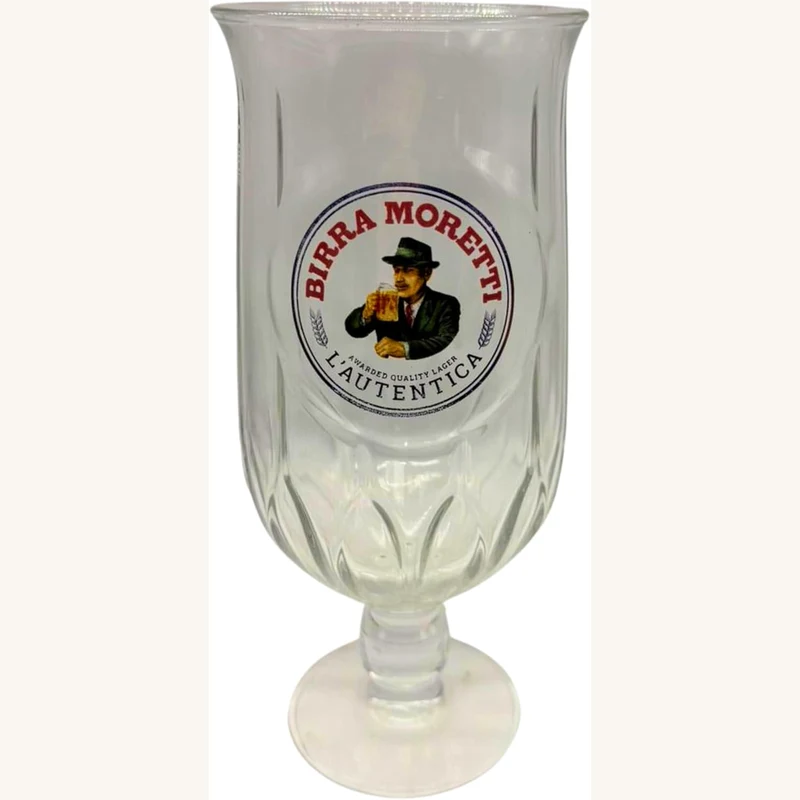
Birra Moretti M25 Nucleated Pint Glass
The Roxley 2025 nucleated pint keeps a lively bead through CE-marked 20 oz pours and includes a branded beer mat.
Check PriceBirra Moretti Glass explains why UK drinkers reach for that tall tulip bowl on a slender stem—and how the glass quietly improves aroma, temperature and head retention compared with an ordinary tumbler.
This site is editorial and independent: we talk shapes, nucleated bases and gifting ideas without pretending every branded glass is identical between batches.

Serve smarter
Nucleation lifts the bead
Best Sellers
Four stemmed chalice picks readers compare most—tap Check Price for live listings.
The Roxley 2025 nucleated pint keeps a lively bead through CE-marked 20 oz pours and includes a branded beer mat.
Check Price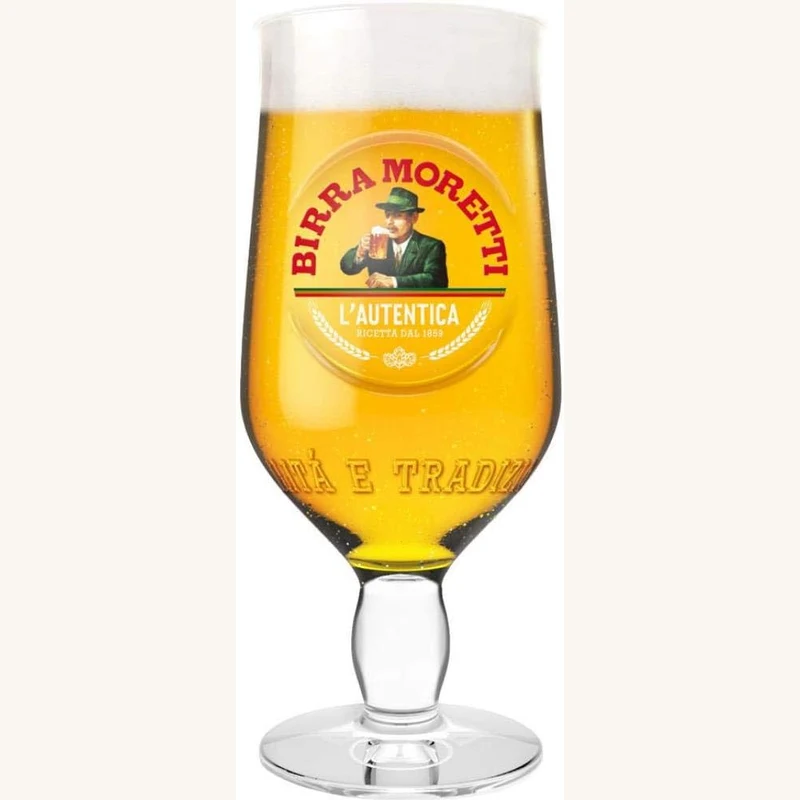
Matched pair of classic stem tulips—ideal when hosts want identical lined pints without hunting pub replacements.
Check Price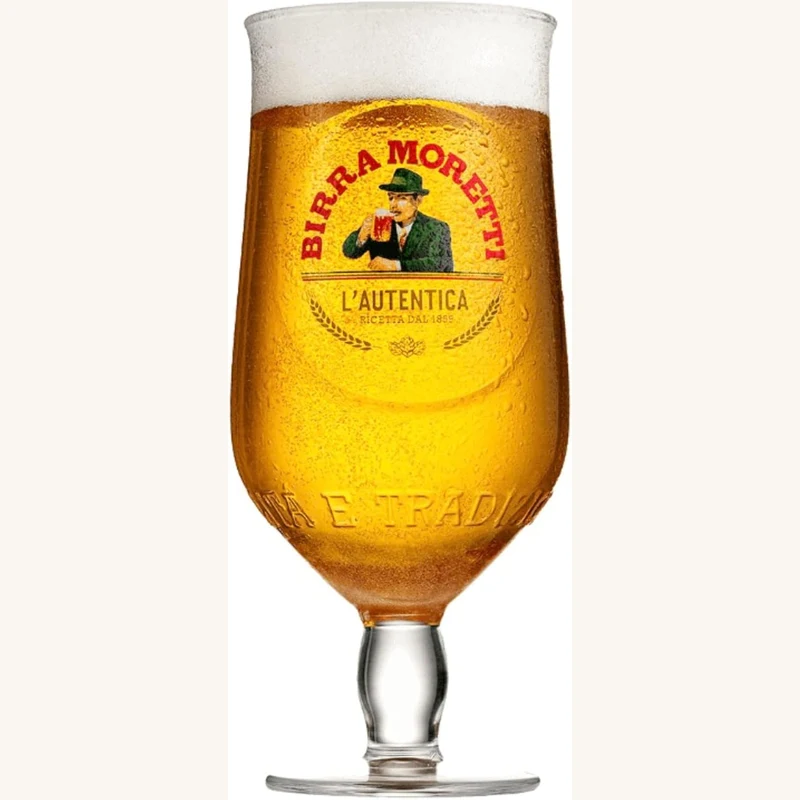
Official nucleated chalice with pub-style drip mats—popular when buyers want one premium pint glass ready for the garden bar.
Check Price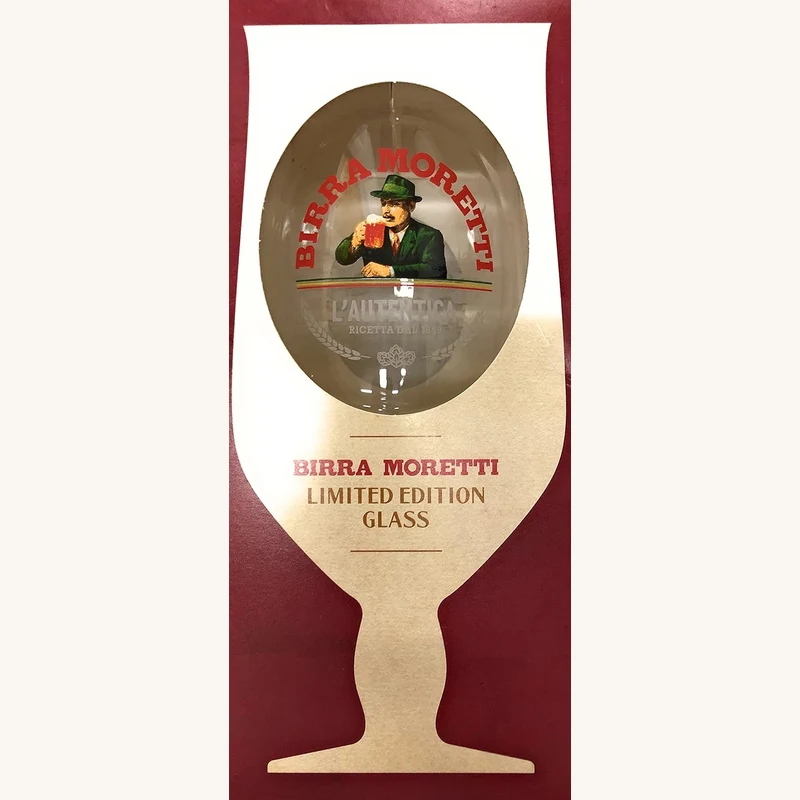
Boxed limited-edition tulip aimed at collectors who rotate decorative pours rather than daily dishwasher duty.
Check PriceExplore
Personal engraving, boxed gifting, collectible wraps—or honest feedback from readers who drink from these bowls week after week.

Initials, dates and discreet etched bands that survive washing.
Read guide →
Two glasses, tidy packing and cues for hosts who already love Italian lager.
Read guide →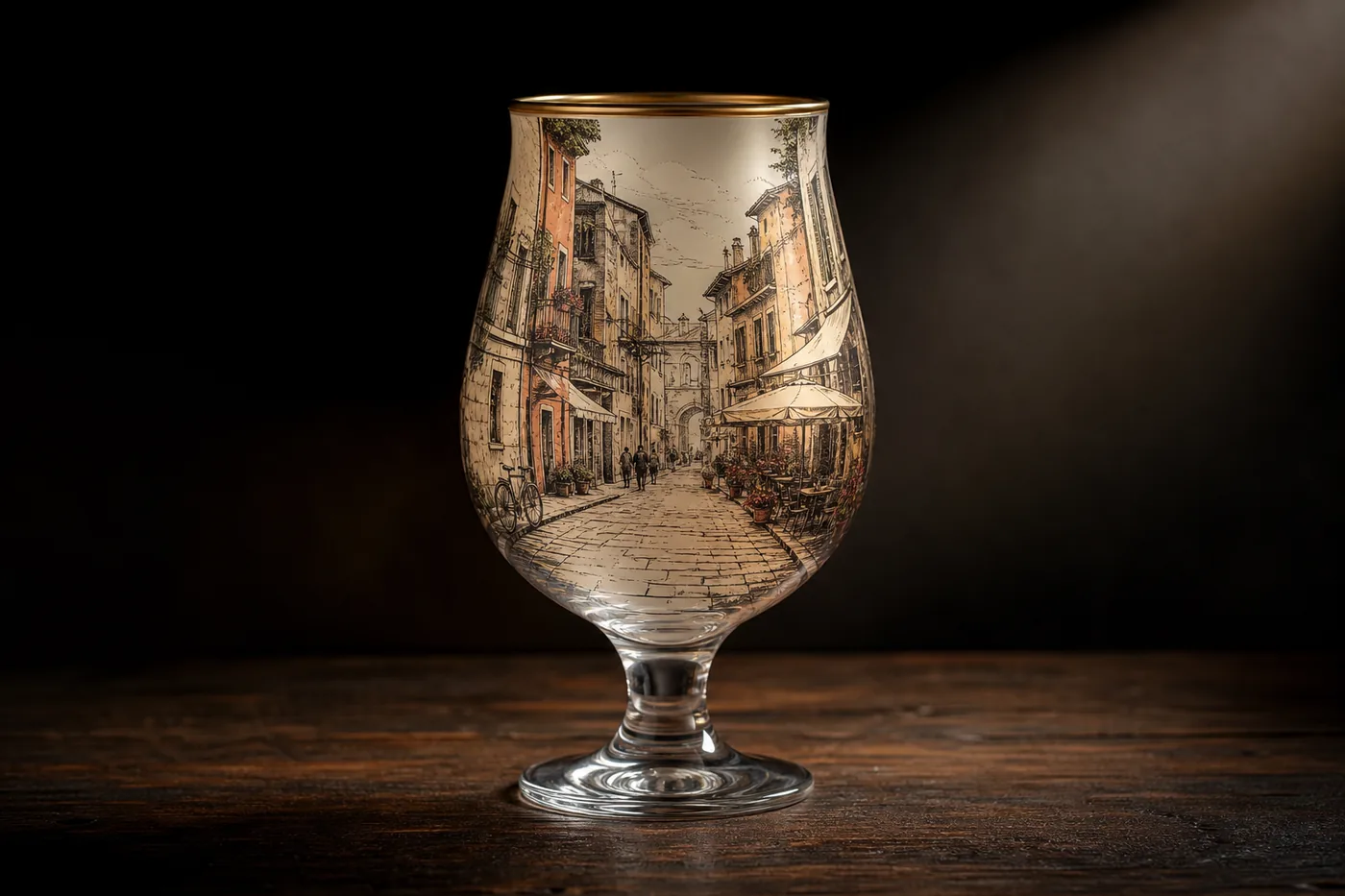
Seasonal wraps and illustration-led releases worth displaying.
Read guide →
Durability, balance in the hand and whether nucleation matters day to day.
See summaries →Shapes
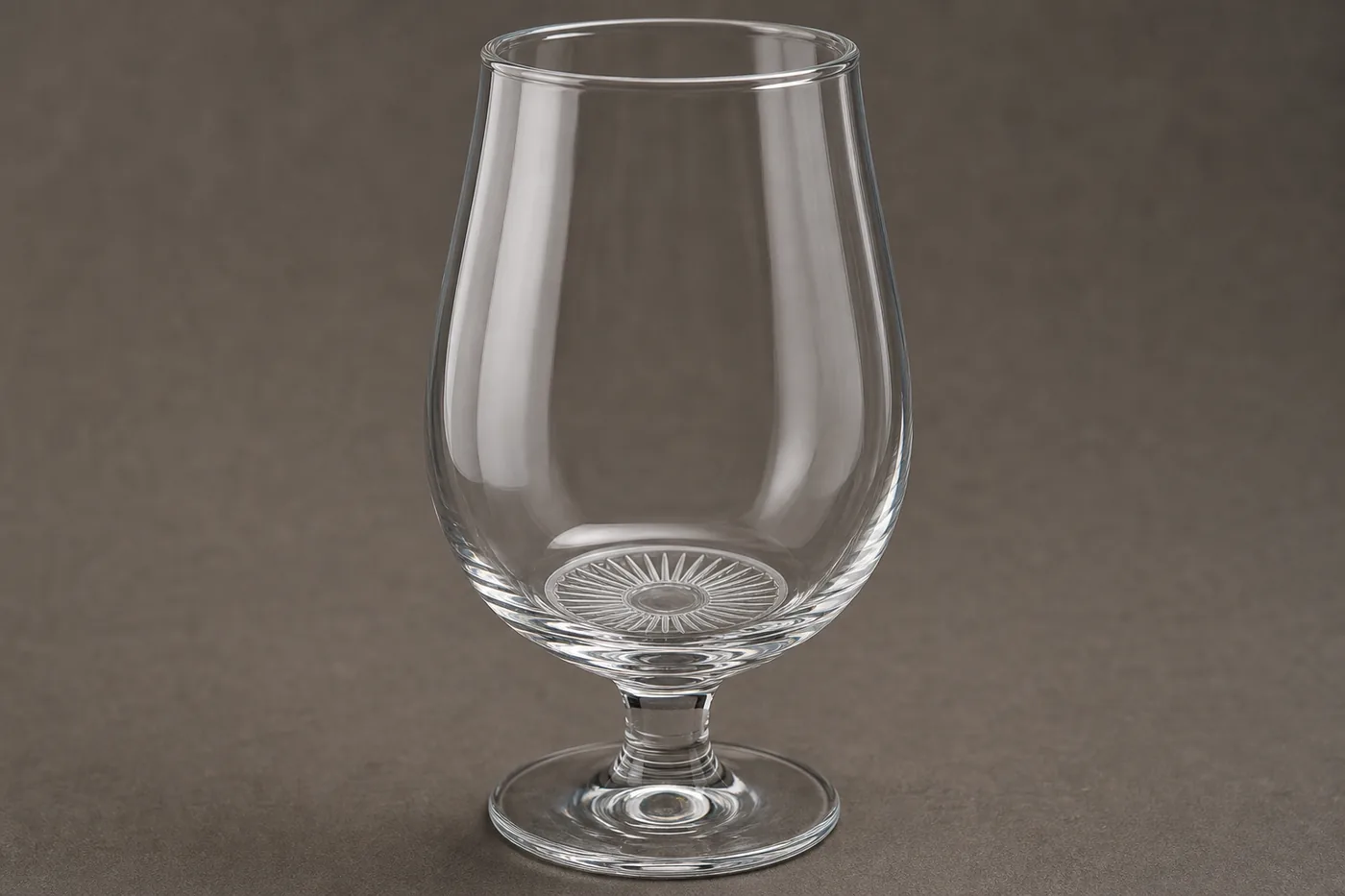
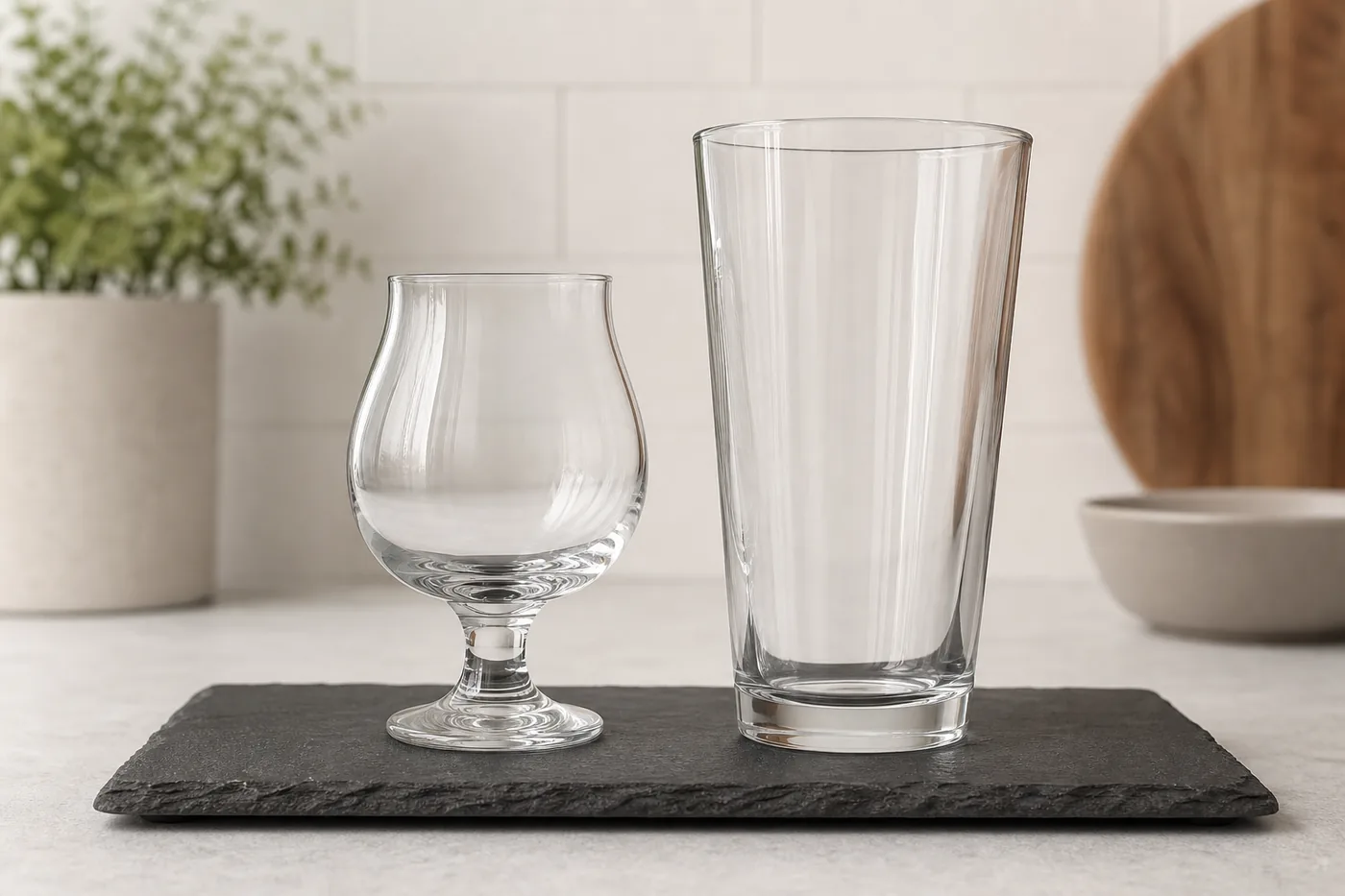
These silhouettes appear across pubs and home shelves—often branded, sometimes plain—but the physics stays the same: tulip bowl, stem carry and optional nucleation.


Reference
Everything below stays practical: washing, pouring, matching with food, and avoiding chips that spoil a Saturday night pour.
Birra Moretti Glass uses the phrase in the everyday sense UK drinkers recognise: the tall tulip bowl on a stem that many Italian-style lager brands favour. Whether you bought yours on holiday, in a supermarket bundle, or lifted it from a pub display, the object is still a wine-like glass engineered for pale lager rather than for straight shots of spirit.
The bowl lifts the liquid away from your palm. That matters more than it sounds because warm fingers on thin glass reheats the beer faster than a thick dimple mug does. On a mild British evening in the garden, a stem buys you minutes of cooler mid-bowl temperature while you talk, not chug.
A gentle inward curve near the rim helps fragrance collect where your nose sits. Pale lager is not as aromatics-forward as IPA, yet you still sense malt sweetness, faint hop herb and yeast fruit more clearly than from a pint mug with a wide open mouth. The rim also supports a tidy head if the pour is disciplined.
Nucleation is the hobby name for laser-etched or moulded micro-cavities inside the bowl or on the base. Dissolved carbon dioxide gathers on those pits, forming a stream of tiny bubbles that refresh the collar of foam. The head then insulates aroma and slows oxidation at the surface—useful when the second half of the pint stretches through a conversation.
Not every Italian-style glass shows obvious etch rings. Some rely on mould seam texture or a modestly pebbled punt. Readers on our Reviews page often mention whether they can see active bubble columns after a refill: that subjective test is sometimes more meaningful than catalogue jargon.
In the UK market you routinely encounter roughly two imperial lined capacities tied to these shapes: a pint near 20 fluid ounces for session pours and a half near 10 fluid ounces when drivers, lunchtime limits or tasting flights matter. Mixed couples frequently buy pairs so shorter pours still feel ceremonial rather than stingy.
Thickness varies between mould-blown souvenir styles and finer crystal-feeling blanks. Thicker rims resist rim chips when stacked clumsily but feel less refined on the lip. If your cupboard already rattles when teenagers unload the dishwasher, prioritise a modest rim polish and avoid slamming rims against ceramic sinks.
Pouring technique interacts with bowl geometry. Tilt the glass to wet the wall first, then gently roll upright while cutting flow—especially when topping up near the lined pint mark. Aggressive vertical dumping wastes aromatics and collapses foam before nucleation can knit a stable collar.
Temperature sits around 6–9 °C for most continental pale lagers served in Britain; colder hides faults but also narrows aroma. If your fridge sits nearer ice-cold, pulling the bottle ten minutes early beats overheating it with palms wrapped round the bowl—another stem advantage worth repeating.
Washing deserves honesty: branded glasses rarely appreciate abrasive scourers or citrus-heavy powders that frost clear silica over months. Soft sponges, lukewarm water first for sugar residues, then mild detergent preserve clarity. Thermal shock—from roasting taps onto chilled glass—still causes cracks even when marketing claims toughness.
Storage prefers upright shelving or lint-free separators between rims. Hanging racks tempt collision unless spacing is generous. For renters juggling shallow cupboards, storing bowls downward with stem sleeves recycled from sparkling wine deliveries beats stacking rims naked.
Food pairing stays humble: margherita pizza acidity cuts malt richness; grilled sardines echo Mediterranean cues without overpowering delicate hops; salty crisps intentionally accelerate empties—fine when hosts accept frequent refills. The narrow competitor is sparkling wine stemware which steals aromatics differently; beer tulips retain slightly broader volatility paths.
Gifting considerations span Personalised engraving depth—too shallow fades—and parcel rigidity so stems survive couriers. Adding bottle-open coasters can soften arrival disappointment when customs delays separate beer from glassware boxes ordered abroad.
Limited illustration wraps appeal because they refract sidelight dramatically during golden-hour pours; collectors rotate seasonal editions rather than daily drivers to reduce dishwasher abrasion on artwork edges. Document chips photographically before insurer disputes arise—unlikely but painless precaution.
Lastly, moderation framing belongs here too: elegant stemware invites sipping rhythm rather than racing pints; swapping halves mid-session preserves palate brightness without sacrificing ritual. Glass shape cannot undo alcohol responsibility—it simply shapes how consciously we taste.
Carbonation perception shifts subtly with bowl volume: the same bottle split across two pours can taste slightly brighter on the second fill because dissolved gas escaped during the pause. Keeping glasses rinsed cold between rounds preserves repeatability when you compare batches or breweries at home.
Line-clean draught venues depend on hygiene as much as glass shape; at home the lesson translates to removing detergent residue that kills foam. A quick cold-water swirl without soap between tastings resets nucleation sites better than wiping with a lemon-perfumed cloth borrowed from the kitchen sink.
Foot stability rarely earns glamour shots yet determines spills when toddlers weave past picnic benches. Wide trumpet feet resist tipping even when condensation creeps outward—another reason collectors tolerate cupboard footprint despite minimalist urges.
Bubble trails photographed for social feeds exaggerate nucleation clarity under backlight; ordinary ambient kitchens still reward etched bases once you observe collar longevity mid-session rather than split-second sparkle.
Sound matters psychologically: thinner rims ping delicately when tapped, signalling fragile craftsmanship while reinforcing cautious handling—helpful dinner-party choreography even when beverage ABV stays modest.
Contrast with handled mugs reminds why stems dominate sensory benches at judging flights: eliminating conductive palm wrap stabilises perceived bitterness curves across successive sips without resetting palate noise.
Hard-water filming dulls sparkle uniformly across branded wraps; vinegar rinses occasionally revive silica shine only when manufacturers approve acidic dips—otherwise mechanical polishing cloths marketed for stemware outperform improvised chemistry experiments.
Camping adapters exist—silicone sleeves retrofit stems—but aesthetic penalties motivate reserving originals for patios near washing-up bowls rather than canoe hull storage vibrating loose grit against illustration enamels.
Measurement literacy protects buyers expecting imperial pint integrity across continental mould variations; engraved lines fade mechanically across dishwasher decades—photograph originals upon arrival if arbitration becomes necessary.
Ice jackets marketed for pint cans seldom translate elegantly onto tulips without tipping centres of mass upward—prefer chilled trays beneath bowls rather than gimmicky collars stressing rims asymmetrically.
Alternative beers occasionally occupy same vessels responsibly when cleansers erase aroma oils thoroughly—IPA residue sabotages delicate malt profiling unless detergent-neutral rinses intervene diligently.
Tourism souvenirs accumulate storyline chips documenting geography rather than flaws—embrace honest wear mapping balcony sunsets abroad versus pretending showroom purity survives rugby-night kitchens indefinitely.
Insurance inventories rarely catalogue affordable glass individually yet aggregated receipts simplify replacements after clumsy removals—attach emailed invoices quietly rather than scrambling months later amid cracked stems clustering guilt piles.
Shelf styling enthusiasts alternate upright versus inverted bowl storage photographing reflections dramatically—either orientation succeeds hygienically provided rims avoid abrasive shelf grit scratching nucleation arrays prematurely.
Budget tiers prioritising dishwasher endurance sacrifice razor rim finesse consciously—acceptable trade when weekday hydration outweighs trophy pours needing obsessive polishing rotations beforehand.
Mini education concludes pragmatically: choose stems balancing tulip curvature against cupboard reality, rinse thoughtfully, pour patiently, rotate editions sparing illustration fatigue—then revisit our sibling guides covering Gift set logistics whenever birthdays loom unexpectedly fast.

Craft cues
Stem alignment checks matter before guests arrive: a twisted foot signals kiln stress worth retiring from premium pours.
Micro-abrasions begin when rims scrape metal draining racks directly—silicone mats amortise replacements quietly.
Lift the bowl toward light after rinsing—active nucleation sparkles instantly.
Chilled glass slows chaotic foaming when bottles warmer than fridge rush out.
Thumb-and-fingers mid-stem beats bowl clutch for thermal selfies outdoors.

Angle low, lift gently, pause before topping—a collar forms naturally when nucleation has clean silica to grip.
Reader ritualsHome bar
Odd stems accumulate mystery heights—standardising pairs simplifies stacking trays after drying.
Ambient sconces show nucleation trails dramatically.
Weekly rim inspections prevent lip cuts unnoticed.

Moments
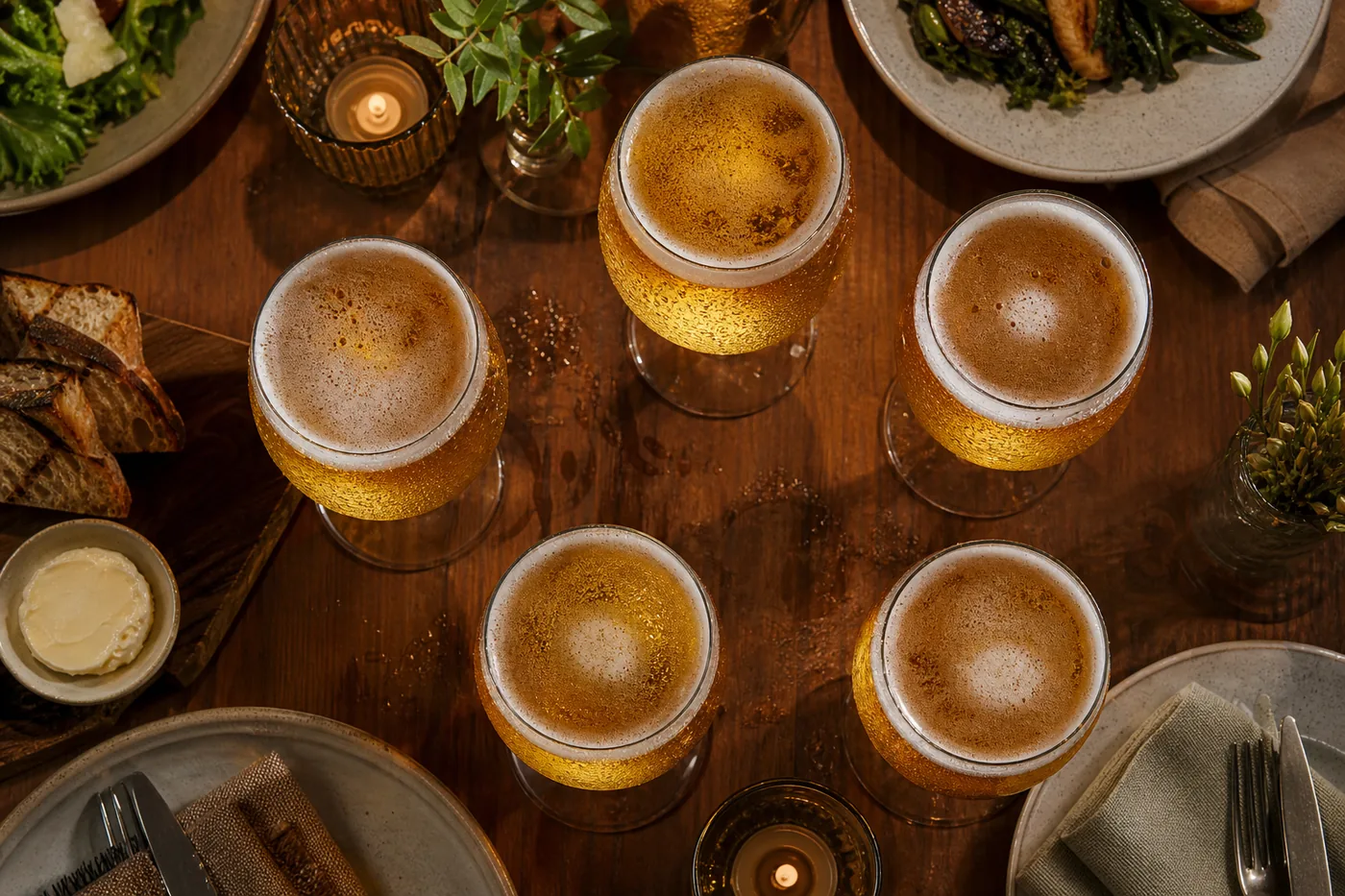
Garden evenings, tasting grids and gentle indoor pours shared across UK seasons.



Care cards
Degrease gently—detergent films murder collars faster than oily fingerprints.
Airflow through bowls beats towel fibres scratching nucleation pits.
Illustrated wraps fade unevenly under harsh eco programmes—alternate glasses weekly.
Hairline cracks propagate from dishwasher tang collisions—discard politely.
It mainly preserves aroma delivery via foam stability; perceived malt sweetness can shift subtly because oxidation pace changes—not magic, physics.
Twin pints suit hosts who entertain weekly; pint-plus-half combos respect drivers—see our Gift set notes.
Often yes on eco cycles—avoid peg grips squeezing rims and skip prolonged heated dry if wraps look fragile.
Pick a guide route—personal engraving, gifting, editions—or dive straight into communal verdicts.